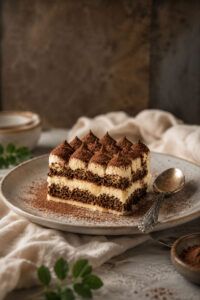
Tiramisu is a modern Italian dessert from the city of Treviso, in the Veneto region. Its name comes from the Venetian tiramesù, meaning ‘pick me up’, a reference to its stimulating effect.
Before you start
Recipe cost: €22
Preparation time: 9 hours
Difficulty: medium
Ingredients
Ladyfingers
Makes 65
6 eggs + 1 egg yolk (350 g)
215 g granulated sugar
8 g vanilla sugar
250 g T45 flour (10 g protein), mixed with
2 g salt
Icing sugar
Soaking liquid for the ladyfingers
For each 1.5 litre tiramisu
a. coffee:
50 g espresso coffee
60 g Kahlúa® coffee liqueur
1 pinch of freshly grated nutmeg
b. chocolate:
100 g Cacaolat
10 g Simón Coll® drinking chocolate powder
3 g Simón Coll® reduced-fat cocoa powder
20 g Barceló rum
Filling
Makes three 1.5-litre dishes
7 egg yolks
150 g sugar
8 g vanilla sugar
1 kg mascarpone
Meringue
7 egg whites
60 g sugar
1 splash of lemon juice
Assembly
150 g Simón Coll® 60% cocoa chocolate with vanilla
Simón Coll® reduced-fat cocoa powder
Equipment
8 mm plain nozzle
60 cm disposable piping bag
Baking parchment
Whisk, sieve, saucepan, flexible spatula
Stand mixer
Kitchen thermometer
Recipes consulted
Joshua Weissman, eponymous channel
Anonymous, Emojoie (えもじょわ)
In this recipe, the egg yolks for the filling are cooked to pasteurise them and avoid the risk of salmonella. The egg whites are safe to eat raw because they contain an antibacterial enzyme called lysozyme.
Ladyfingers
- Mix in the flour as little as possible.
- Once the flour is mixed in, make sure there are no pockets left.
- Pipe thin strips.
- Do not leave the piped batter to stand on the baking tray.
- Do not put all the batter into the piping bag at once; fill it in two batches.
- Bring a shallow layer of water to the boil in a saucepan.
- Combine the eggs and both sugars in a deep heatproof bowl. Place over a bain-marie and whisk continuously until the mixture reaches 70°C, about 10 minutes.
- Strain the mixture into the bowl of the stand mixer. Whisk at maximum speed until it has tripled in volume and cooled completely, about 8 minutes.
- Preheat the oven to 175°C with top and bottom heat and the fan on.
- Sift the flour and salt over the mixture in three additions.
- Transfer the batter to a piping bag fitted with a large plain nozzle.
- Pipe the ladyfingers: fold the piping bag over just above the nozzle to prevent the batter from escaping. Fill the bag, taking care not to trap any air. Hold the piping bag at a 45° angle to the baking tray and pipe even strips (figure 1).
- Dust with a fine layer of icing sugar.
- Bake for 10 minutes or until lightly golden.
- If you set some aside to enjoy separately, dust them again with icing sugar as soon as they come out of the oven.
Ladyfingers freeze well, as long as they are protected from freezer burn.
Soaking liquid for the ladyfingers
- Coffee: prepare the coffee. Add the pinch of nutmeg and the liqueur. Add more liqueur if you feel life hasn’t treated you well today.
- Chocolate: mix the Cacaolat with the drinking chocolate powder and rum.
Chocolate sheet
Temper 25 g of chocolate for each 1.5-litre dish of tiramisu and spread into a thin layer on a sheet of acetate the same length as the dish. Leave to set in the freezer.
Filling
- Wash the equipment thoroughly.
- If the egg whites are separated from the yolks several days in advance and left in contact with the air, the albumen becomes more fluid and the whites are therefore easier to whisk. This process is called clarification; adding lemon juice just before whisking has a similar effect.
- It is important not to overwhisk the egg whites, or they will become too stiff and impossible to incorporate into the other ingredients.
- Bring a shallow layer of water to the boil in a saucepan.
- Combine the egg yolks and both sugars in a deep heatproof bowl. Place over a bain-marie and continue whisking until the mixture reaches 70°C, about 6 minutes. The heat kills the microbes.
- Transfer the mixture to the bowl of the stand mixer and whisk at maximum speed until completely cool, about 8 minutes.
- Transfer the mascarpone to a large bowl.
- Incorporate the egg mixture into the mascarpone. Add a spoonful first and mix well with a spatula. Then fold in the remainder in two additions. Refrigerate.
- Whisk the egg whites: acidify them by adding the lemon juice.
- Whisk briefly at low speed to break up the egg whites, then gradually increase the speed to maximum.
- When the whites reach soft peaks but still move freely in the bowl, gradually add the sugar. Continue whisking at maximum speed to stiff peaks; the whites should be creamy but firm enough to remain in place when the bowl is turned upside down.
- Fold the meringue into the mascarpone mixture. Add a spoonful first, then fold in the remainder in two additions to prevent the mixture from losing volume.
Assembling the tiramisu
- Prepare the dish or dishes.
- Spread a thin layer of filling over the base of the dish to hold the ladyfingers in place (figure 2).
- Transfer half the filling to a piping bag fitted with a large plain nozzle.
- Stir the coffee briefly to distribute the nutmeg evenly. Lightly soak only the tops of the ladyfingers and arrange them right-side up, closely packed, over the base of the dish (figure 2).
- Using the piping bag, cover the ladyfingers with a 1.5 cm layer of filling. Smooth the surface and fill all the gaps.
- Add another layer of ladyfingers, this time lightly soaked on the base and placed upside down.
- Add the chocolate sheet.
- Place another layer of ladyfingers on top, soaked in the same way.
- Transfer the remaining filling to the piping bag as needed. Cover with the rest of the filling, this time piping mounds about 2.5 cm high. Cover with cling film and refrigerate for at least 8 hours. In the refrigerator, the egg mixture sets and the fat firms up.
- Just before serving, dust the surface of the tiramisu with cocoa powder. Do this at the last moment so that the coating retains its velvety texture.
- Finish with chocolate shavings.
Tiramisu is best served at around 20°C.
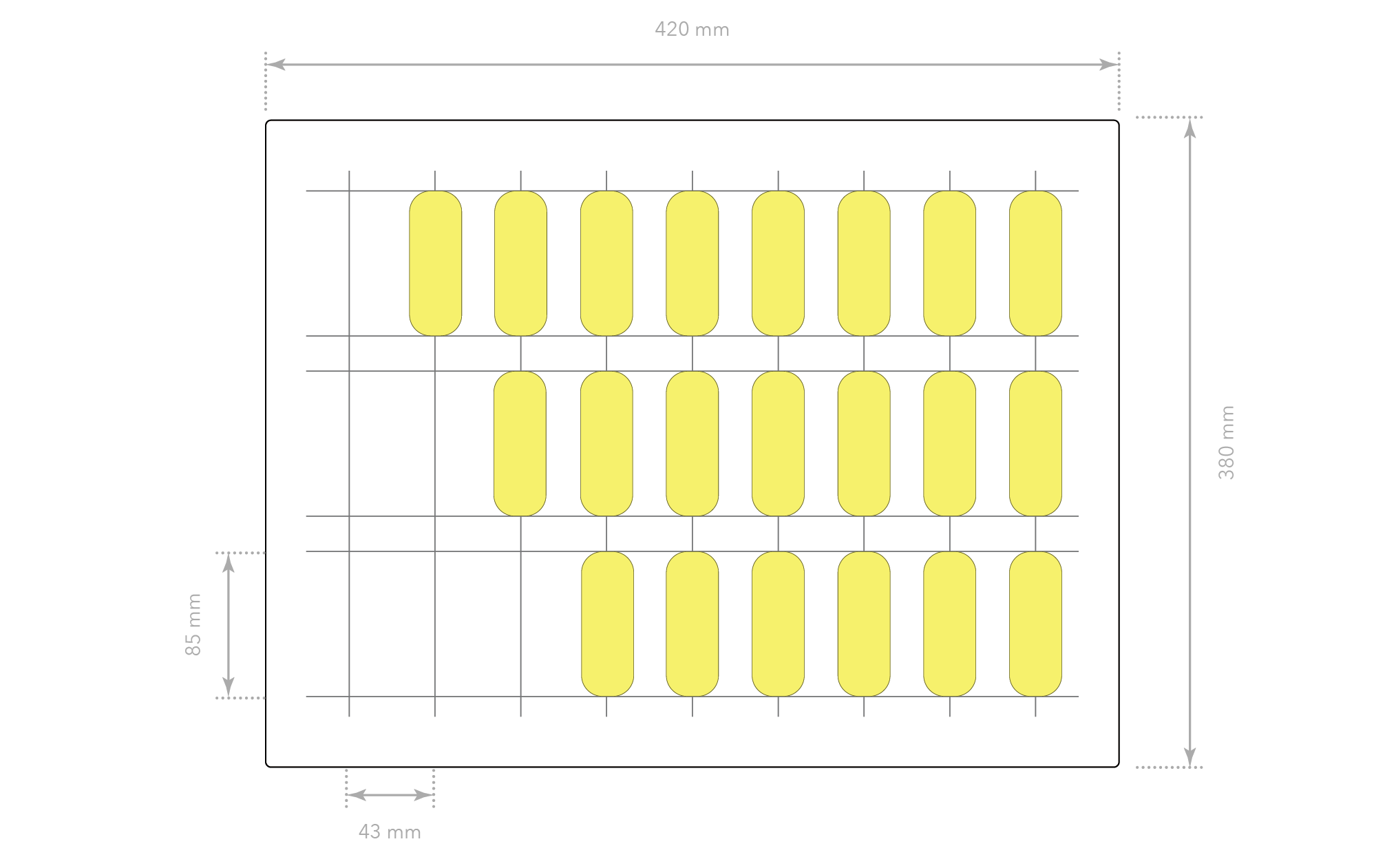
Figure 1. Piping the ladyfingers onto the baking parchment, ready for baking. Source: author’s own.
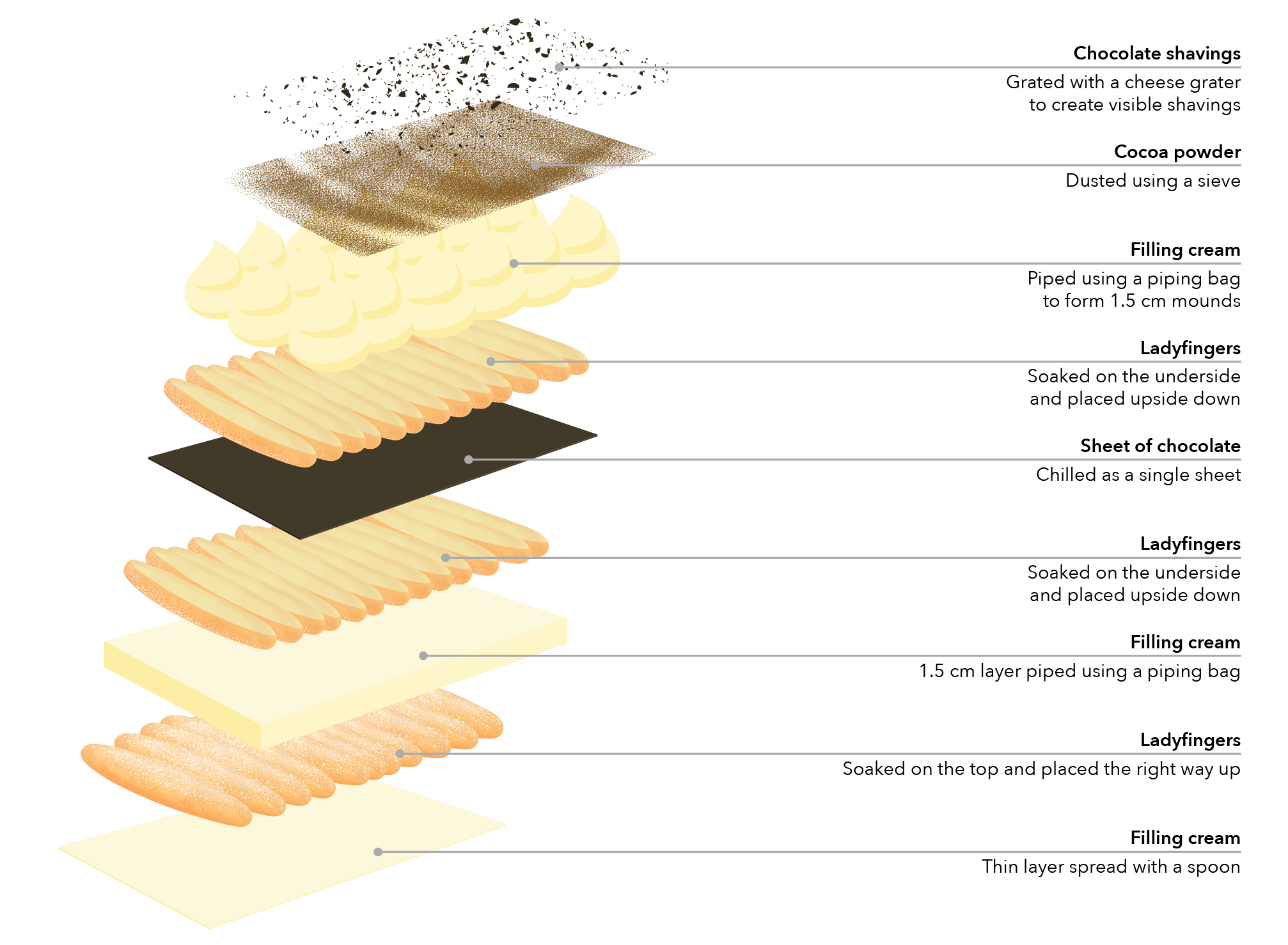
Figure 2. Assembling the tiramisu. Source: author’s own.