Coca de Llavaneres is a traditional sweet pastry from Sant Andreu de Llavaneres, a town with 12,000 inhabitants near Barcelona. Master pastry chef Gaspar Sala i Ros (1921–2012) created the original recipe following a commission received by his bakery, Sala, in 1955.
Before you start
Recipe cost: €32
Prep. time: 14 hours over 3 days
Difficulty: high
Ingredients
Dough
450 g unsalted butter, minimum 82% fat, such as Kerrygold
300 g strong white bread flour (≥11% protein), such as Ariana
300 g plain flour (≤10% protein)
12 g salt
300 g cold water
50 g unsalted butter
Almond glaze
100 g ground almonds
90 g icing sugar
10 g lemon zest (about 3 lemons)
70–100 g egg whites
1 egg yolk
To decorate
100 g local pine nuts
Granulated sugar, for sprinkling
Crema catalana
1.5 kg whole milk
15 g strips of lemon peel (about 2 lemons)
10 g cinnamon sticks
320 g egg yolks (about 20)
230 g sugar, mixed with
16 g vanilla sugar,
160 g Maizena cornflour and
50 g Royal crème caramel mix, previously sifted to remove some of the sugar
150 g unsalted butter
Equipment
Stand mixer
kitchen thermometer
Rolling pin
Docking roller
1 cm guide sticks
Baking parchment and cling film
Ruler or tape measure
Craft knife
Disposable piping bag
8 mm plain nozzle
16 mm plain nozzle
Pastry brush for removing excess flour
Pastry brush for applying the glaze
Recipes consulted
Lamination by Aïda Ben, Apprendre la pâtisserie française
Crema catalana, adapted from Aïda Ben, Apprendre la pâtisserie française
Shaping of the cocas from the video by Llavaneres Town Council
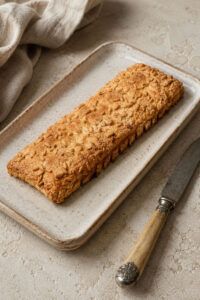
This puff pastry delicacy is filled with crema catalana and topped with almond glaze and local pine nuts. The recipe makes four 850 g cocas.
If you would like to know how many layers of butter and dough are created in puff pastry, see this page. The dough for this coca is made with five single turns, producing 487 layers.
Day 1. 09:00: la détrempe | base dough (Process time: 4 hours)
- Make the butter block (beurrage): make an envelope from a sheet of baking parchment as shown in figure 1. Dust 450 g of cold butter with flour and beat it into a longer, thinner block. Wrap it in the parchment and close the parcel. Finish by rolling the parcel with the rolling pin to smooth it out. Refrigerate.
- Place the sifted flour and salt in the bowl of the stand mixer.
- Cut the butter into small pieces and add it to the flour. Mix with the dough hook on medium speed for 2 minutes.
- Switch from the hook to the kneading attachment and gradually add the water. Knead on second speed until the mixture comes together and pulls away from the sides of the bowl, approximately 1 minute.
- Bring the dough together by hand and knead for a few more seconds.
- Shape into a ball as Amaury Guichon does.
- Cut a cross in the top.
- Wrap the ball in cling film and refrigerate for 2 hours.
Almond glaze
- Separate the egg whites from the yolks.
- Strain the 20 egg whites to obtain about 100 g of liquid egg white.
- Add the lemon zest to the sugar and process in a food processor.
- Add the ground almonds and process again.
- Transfer to a bowl and gradually add the egg whites until you have a smooth paste. Add one egg yolk to half of the glaze to see whether this gives the coca a more golden colour.
- Add more egg white if necessary. The Llavaneres Town Council feature shows the ideal consistency. Set aside.
Crema catalana
Despite their similar appearance and presentation, crema catalana and crème brûlée are two distinct preparations with different ingredients, flavourings and cooking methods. If in doubt, just remember that crema catalana is vastly superior.
- Combine the milk, strips of lemon peel and cinnamon and bring to the boil.
- Remove from the heat and leave to infuse for 10 minutes.
- Strain the milk and set aside.
- Whisk the egg yolks and sugar vigorously until pale. Stop when the mixture reaches a light ribbon stage. This makes it easier to incorporate the remaining dry ingredients.
- Add the sifted cornflour and crème caramel powder. Mix only until smooth and well combined. Do not whisk, as this would give the finished cream a pasty, elastic texture and make it stick to the palate.
- Weigh out 1,350 g of the infused milk.
- Pour one quarter of the milk over the mixture, stirring continuously.
- Pass this mixture through a sieve into the remaining milk, then return to the heat.
- Stir with a French whisk for about 12 minutes.
- When the cream thickens, whisk for your life to make it smooth and glossy.
- Continue stirring until it comes to the boil, which should take about 4 minutes.
- Remove from the heat and add the diced butter.
- Cover with cling film in direct contact with the surface and refrigerate to prevent a skin forming.
- The cream will take 3 hours to cool completely.
- When ready to use, whisk with an electric whisk until smooth and creamy again.
Day 1. 16:00: le tourage | enclosing the butter (Process time: 4 hours)
- The butter must be pliable and have the same consistency as the dough block.
- Both should be at 15°C at the start of the process.
- On a lightly floured work surface, roll out the dough block (figure 2) to form a 23 × 36 cm rectangle.
- Brush off any excess flour, place the butter in the centre and fold the ends of the dough over it (figure 3).
- Bring the edges together and seal the dough block completely.
Lamination and folding
- The dough should roll out smoothly under the pressure of the rolling pin.
- Work quickly.
- If the dough rises above the target temperature, refrigerate for 10 minutes.
- If it resists, leave it to rest for about 15 minutes in a cool place, wrapped in cling film and protected from the air and bad vibes.
- Double the resting time when refrigerating as the cold slows gluten relaxation.
- While laminating, check frequently that the dough block is not sticking to the work surface.
- However, use as little flour as possible to prevent the dough from drying out.
- The four corners of the puff pastry must remain square.
- When folding, make sure the dough reaches right to the edges of the fold.
- If any butter breaks through, dust the area lightly with flour to contain it.
- If bubbles form, prick them with a cocktail stick.
First and second laminations (target temperature: 16°C)
- Turn the dough 45°.
- Even out the dough by tapping and pressing it gently and evenly in the direction opposite the fold.
- Roll it out to form a rectangle three times as long as it is wide, about 54 × 20 cm. Use the 1 cm guide sticks.
- Brush off the surface.
- Fold the sheet as shown in figure 5. Before and after each fold, remove any excess flour. (Target temperature: 16.5°C.)
- Turn the dough 45° and press the ends of the dough block with the rolling pin (figure 4).
- Even out the dough by pressing gently and evenly with the rolling pin in the direction opposite the fold.
- Repeat the lamination.
- Make two finger marks in the top right-hand corner of the dough so that you know its orientation before the next fold. (Target temperature: 17.5°C.)
- Wrap in cling film and refrigerate for 30 minutes.
Third and fourth laminations (target temperature: 16.5°C)
- The seam should be on the right-hand side of the dough block as you roll it out lengthways.
- Repeat the lamination process twice more.
- Wrap in cling film and refrigerate for 1½ hours.
Fifth lamination (target temperature: 13°C)
- Complete one more lamination. (Target temperature: 16°C.)
- Refrigerate the dough overnight.
- Soak the pine nuts in water to prevent them from burning in the oven.
Day 2. 08:00: Détaillage et façonnage | cutting and shaping (Process time: 4 hours)
- Rolling the dough very thinly puts the gluten under tension, causing the pastry to shrink back. Some pieces of pastry therefore need to rest while you work on the others.
- When sealing the pieces of puff pastry around the cream, take care to keep the cream away from the edges so that they seal properly; otherwise, the cream will leak out during baking.
- Transfer the cream to a piping bag fitted with a large plain nozzle.
- Cut the puff pastry in half at right angles to the fold.
- Roll out one half, cut it in half and continue rolling out both pieces.
- Relax the dough by lifting it slightly at the sides.
- Place a sheet of baking parchment on a tray that will fit in the refrigerator and lay the two pieces, each approximately 38 × 28 cm, on it, separated by another sheet of baking parchment. Wrap them in cling film and leave them to rest for 1 hour.
- Remove the pieces after resting and roll them out to the thickness of a traditional coca, as thinly as possible.
- Using the craft knife, cut out a 38 × 28 cm rectangle and divide it in half lengthways to make the bases. Cut another rectangle 2 cm wider than the first and divide it in half lengthways to make the tops.
- To transfer the bases to a baking tray lined with baking parchment, fold each one over itself twice and unfold it onto the parchment.
- Adjust their size by stretching them slightly if they have contracted.
- Dock the bases with the docking roller.
- Moisten a 2 cm border with a little water. Rub the moistened border until a whitish film forms, activating the gluten so that it acts as glue.
- Pipe a rectangle of cream, taking care to leave the 2 cm border clean. Fill the centre with more cream. Level with a small palette knife.
- Brush any excess flour from the tops, fold each one over itself twice and unfold it over the cream, taking care not to trap any air.
- Seal the pieces of pastry together by pressing firmly with your fingertips.
- Freeze for at least 2 hours, or until ready to decorate and bake.
Day 3. Decoration and baking (Process time: 2 hours)
- Remove the cocas from the freezer and trim as little as possible from the edges with scissors so that they are perfectly straight.
- Place the baking steel on the second shelf from the bottom and preheat the oven to 180°C with top and bottom heat and the fan on, allowing the steel to heat up inside.
- Drain the pine nuts and pat them dry.
- Stir the almond glaze until smooth and uniform again.
- Brush the glaze over the entire surface.
- Scatter the pine nuts over the cocas.
- Sprinkle with sugar until a fine whitish layer is visible.
- Remove the hot baking steel, place a sheet of baking parchment on it and set the cocas on top.
- Prick each coca lightly in several places with a cocktail stick immediately before baking.
- Bake for about 35–40 minutes.
- After 2 minutes, remove the cocas from the oven and prick them.
- Repeat after a few more minutes.
Storage
Unbaked puff pastry freezes very well for several weeks.
Once baked, the cocas will keep for 24 hours.
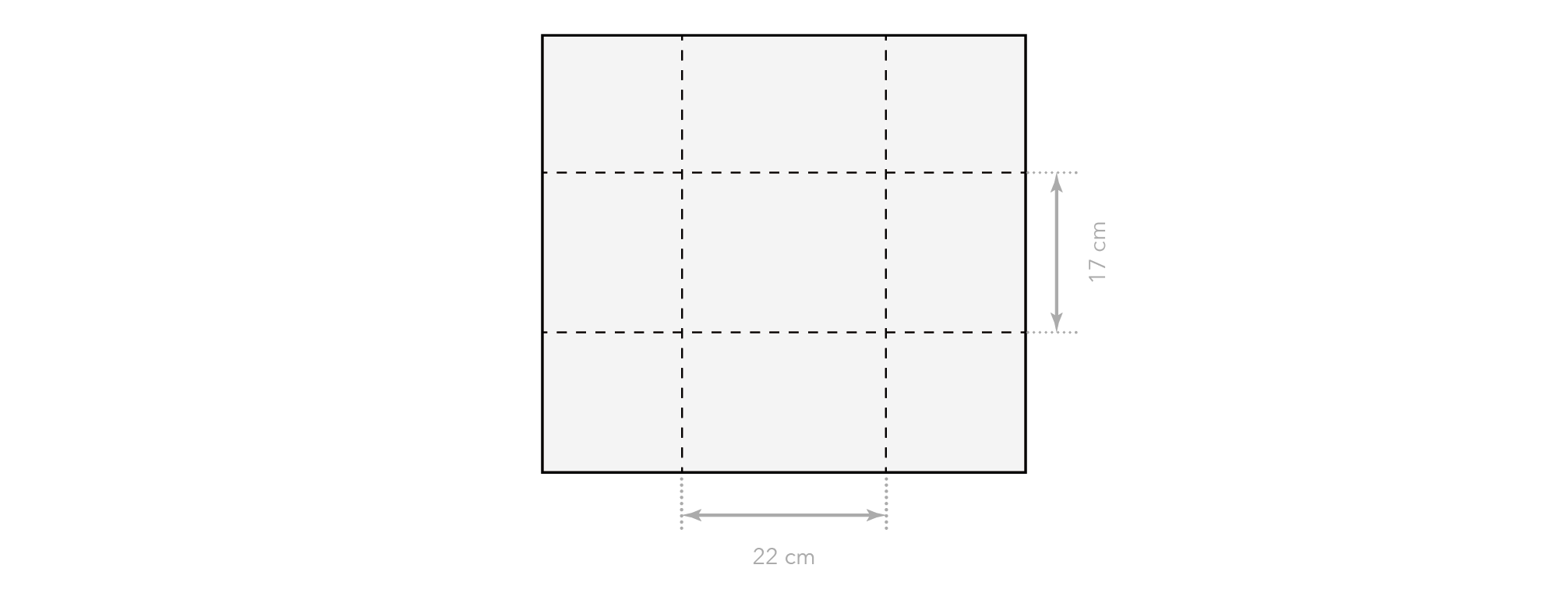
Figure 1. Folds in the parchment used to prepare the butter block. Source: author’s own.
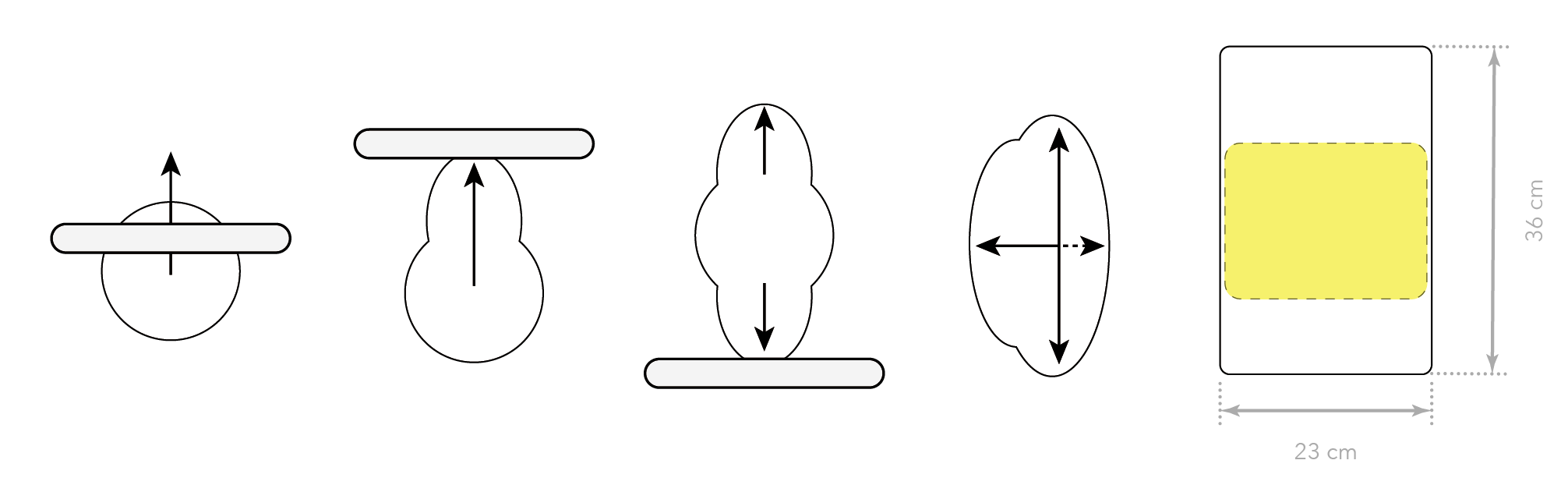
Figure 2. How to roll out the dough from a ball in preparation for lamination and how to enclose the butter. Source: author’s own.
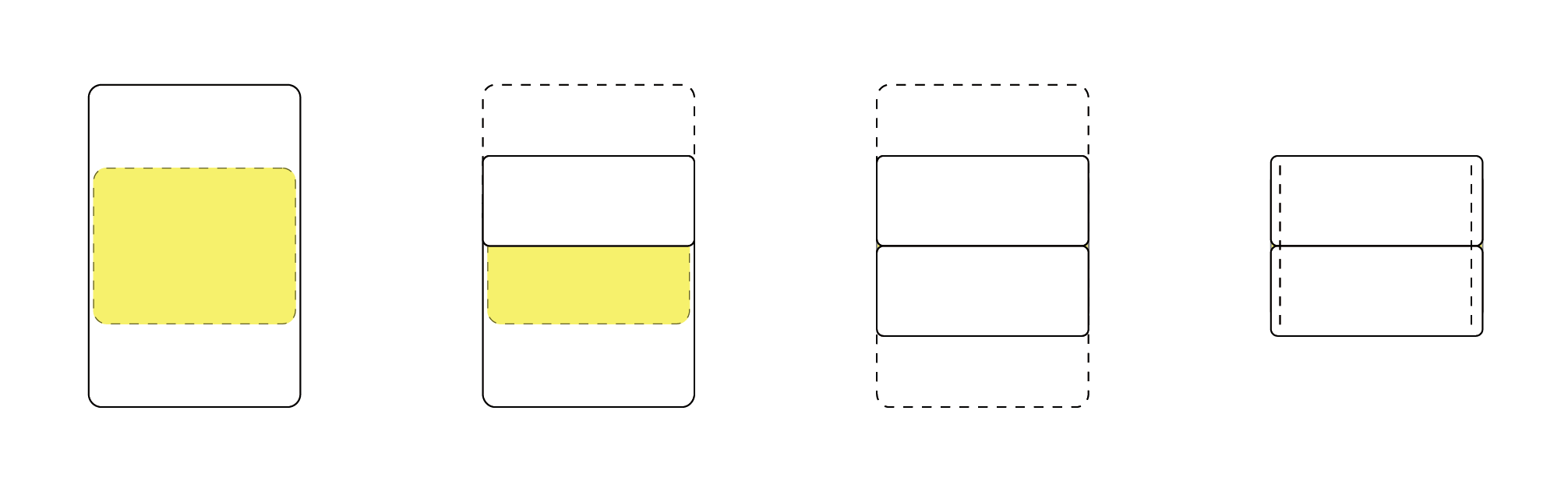
Figure 3. Enclosing the butter. Source: author’s own.
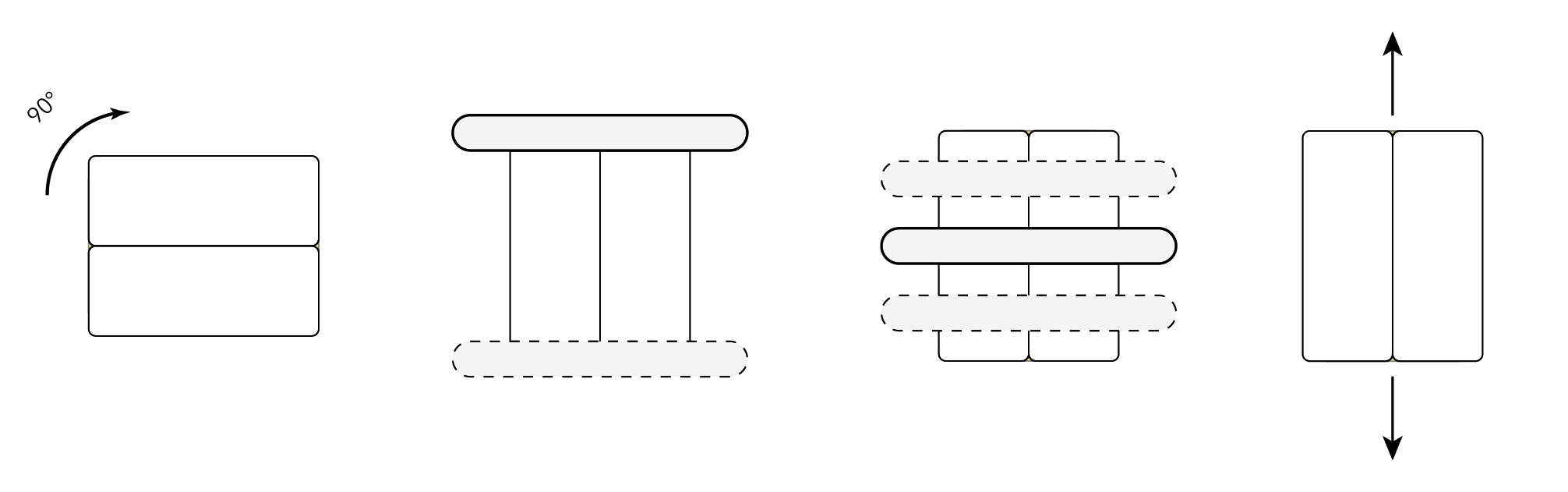
Figure 4. Evening out the dough after enclosing the butter and folding. Source: author’s own.
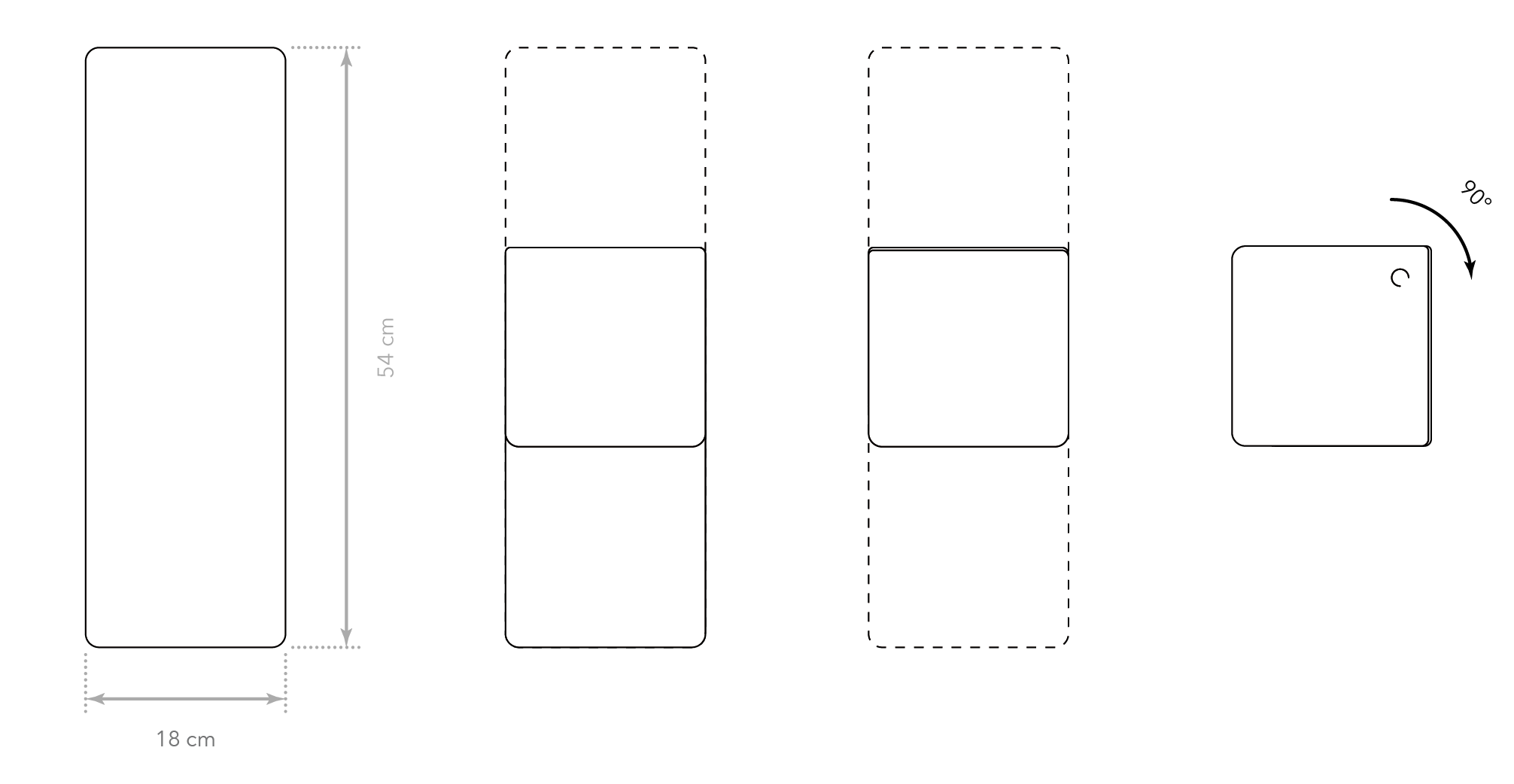
Figure 5. This puff pastry is laminated using what is known as a single turn or three-fold. Source: author’s own.